LIFE · DISCERNMENT
Mourning What Never Died
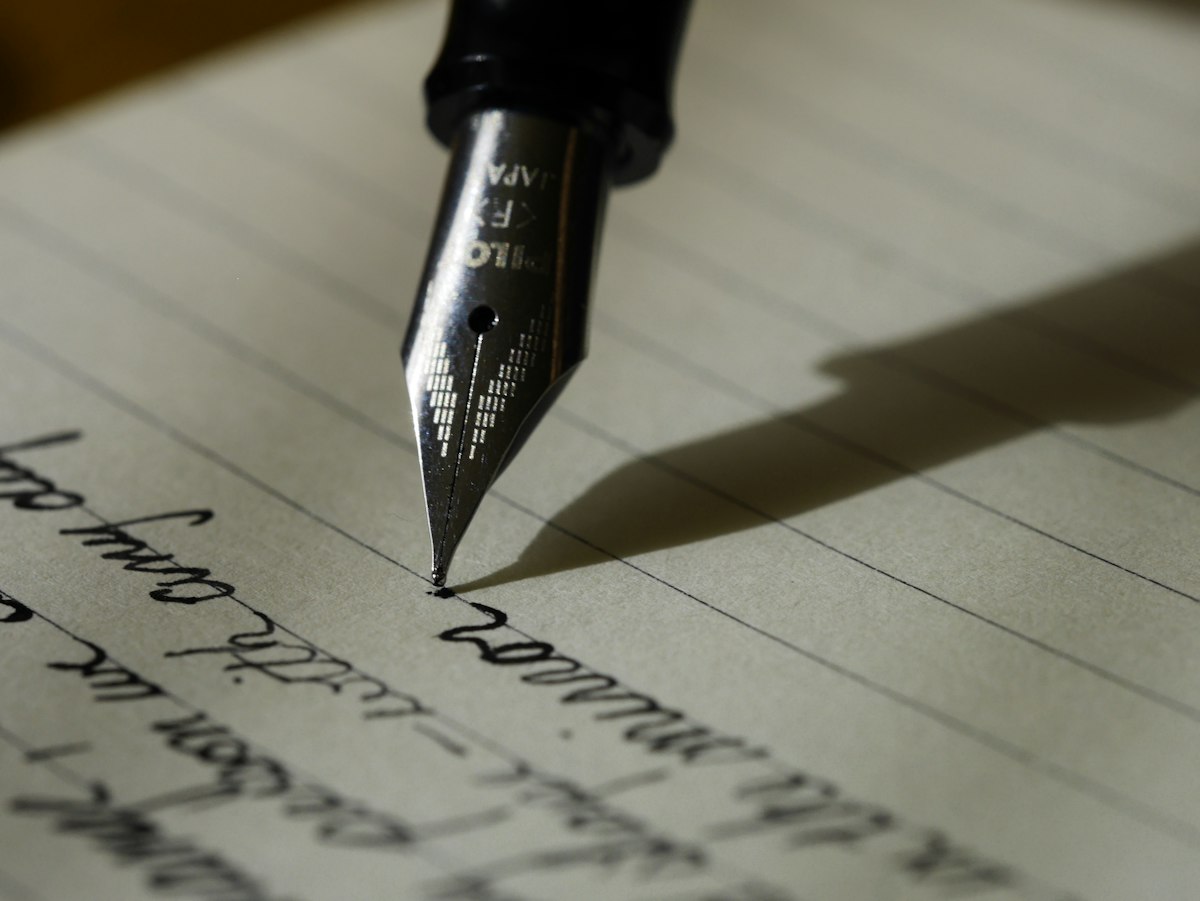
We talk about handwritten letters as if they're extinct. But nobody stopped you. The paper is still sold. The pen still works. We didn't lose the ordinary. We traded it — piece by piece, for speed. And then we called it sacred, as though it had died instead of been set down. What did you set down that's still right where you left it?
We talk about handwritten letters the way we talk about childhood — with a tenderness reserved for things that are over.
"Remember when people used to sit and write?"
But nobody stopped you. The paper is still sold. The pen still works. You could, this afternoon, sit down and write someone a letter by hand. The post office still exists. The address is right there.
We've done this with a dozen things. Face-to-face conversation. Silence. Long walks without a destination. Reading a single book from beginning to end. These things never died. They didn't even fade gradually. We just stopped choosing them — and then, slowly, began to talk about them as though they had been taken from us.
It's a strange kind of grief. Not mourning what's gone, but mourning what we simply set down.
I think the reason we frame it as loss is because that's easier than the alternative. If the handwritten letter is "gone," then not writing one is just a sign of the times. If deep conversation is "dead," then settling for small talk is just adapting. Calling something extinct relieves us of the responsibility of keeping it alive.
But what if it's not extinct? What if it's just waiting on the shelf where you left it — dusty, but entirely usable?
What we're actually nostalgic for, I suspect, is not the activity itself. It's the relationship we used to have with ordinary life. The version of ourselves that could sit on a porch for an hour without reaching for a phone. The version that could listen to a friend without mentally drafting a response. The version that didn't need a reason to be still.
We didn't lose that person. We traded her. Piece by piece, for speed. For convenience. For the comfort of never being bored, never being unreachable, never being fully present to one thing at a time.
And here's the part that's hard to sit with: the trade felt reasonable at every step. No single decision was the problem. It was the accumulation — hundreds of small choices that each made sense alone and together hollowed out the ordinary until we started calling it sacred.
The sacred was always in the ordinary. That's the part we miss when we turn the everyday into an artifact.
There's a line in Lamentations — that God's mercies are new every morning. Not preserved. Not archived. New. The gift of the ordinary is renewed each day, not kept behind glass. You don't have to resurrect it. You just have to pick it back up.
So maybe the question isn't what we've lost.
Maybe it's what we set down that's still right where we left it — and whether we're willing to hold it again, knowing it was never really gone.
CONTINUE THE JOURNEY
KiligChapters
Where stories become living experiences — through immersive text, voice, and cinematic storytelling.
EXPLORE